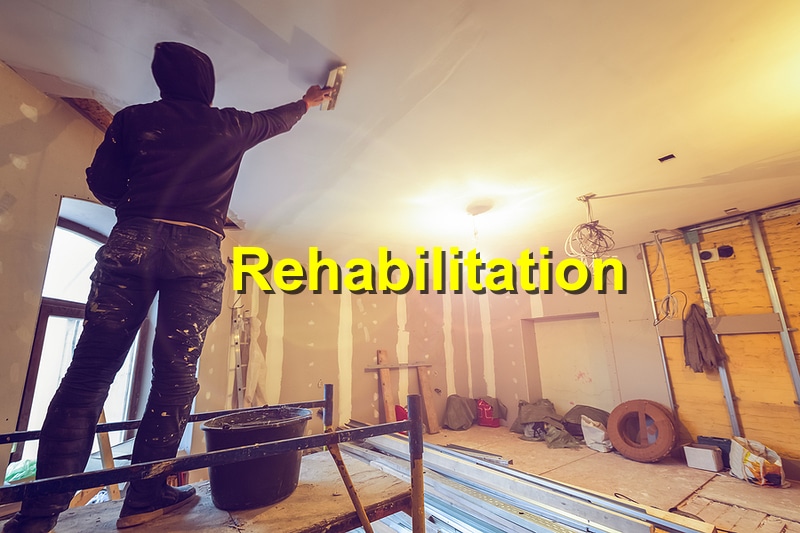
Commercial properties are significant long-term investments, but without strategic rehabilitation, even the most well-built structure begins to show signs of age. Wear, outdated infrastructure, and evolving building standards can affect safety, appeal, and operational efficiency. Rehabilitation projects help property owners preserve value, extend functional lifespan, and stay competitive within modern markets — often more cost-effective than full redevelopment.
From structural improvements to sustainability upgrades, rehabilitation is becoming a central strategy in commercial asset management. Below are key ways rehabilitation extends the life of commercial buildings and strengthens long-term return on investment.
1. Structural repairs safeguard future stability
Over time, commercial buildings endure stress from weather, vibration, wear, and mechanical use. Rehabilitation projects often begin with structural reinforcement — repairing foundations, replacing corroded steel, updating load-bearing components, and improving waterproofing systems.
Strengthening the physical framework ensures long-term resilience and reduces risk from costly failures later.
Result: A safer building with reduced maintenance liability.
2. Mechanical and electrical upgrades improve reliability
Aging HVAC, electrical wiring, and plumbing systems cause inefficiencies, safety hazards, and service interruptions. Rehabilitation provides the opportunity to modernize building systems — improving energy output, reducing downtime, and lowering operational costs.
Newer systems require less frequent repairs and consume less energy, directly increasing a property’s lifespan and profitability.
Result: More dependable performance with lower energy costs.
3. Retrofitting for energy efficiency reduces costs and emissions
Many commercial rehabilitation projects now prioritize energy performance — installing LED lighting, adding insulation, upgrading windows, and integrating smart controls for heating and cooling.
Improved efficiency makes the building more sustainable, lowers utility spending, and may qualify the owner for green incentives and certifications.
Result: Long-term cost reduction and stronger sustainability credentials.
4. Modernizing interior layouts enhances usability
Business needs evolve. What was functional 20 years ago may not meet the expectations of today’s tenants. Rehabilitation allows flexible reconfiguration of interior layouts — creating open workspaces, updated retail areas, modern accessibility features, and more efficient floor utilization.
A refreshed interior boosts market appeal and extends leasing potential for many years.
Result: Increased tenant satisfaction, higher occupancy consistency.
5. Exterior improvements boost visual appeal and market value
The exterior is often the first element assessed by tenants and investors. Replacing weathered facades, updating signage, improving landscaping, and adding protective coatings all increase aesthetic value.
A modern exterior also enhances brand perception — critical for retail, hospitality, medical, and office properties competing for attention.
Result: Strong curb appeal and improved long-term asset value.
6. Digital infrastructure upgrades future-proof the property
Future-ready buildings require connectivity. Rehabilitation projects commonly include installation of fiber-optic cabling, network enhancements, smart building sensors, and IoT monitoring systems.
This prepares commercial properties for modern business demands including automation, remote monitoring, and tenant digital needs.
Result: A technologically adaptable building built for tomorrow.
Conclusion
Rehabilitation projects offer more than repairs — they unlock new potential in aging commercial assets. By upgrading systems, improving efficiency, modernizing layouts, and strengthening structure, property owners extend operational life while boosting value and tenant appeal. Rather than replacing a declining building, smart rehabilitation transforms it into a high-performing, profitable long-term investment.
The most successful commercial properties aren’t just maintained — they are continuously improved. Rehabilitation ensures they remain relevant, resilient, and revenue-generating for decades ahead.
References
- U.S. Department of Energy — Energy efficiency guidelines for commercial buildings
https://www.energy.gov - Building Owners and Managers Association (BOMA) — Commercial building best practices
https://www.boma.org - International Facility Management Association — Property lifecycle and rehabilitation insights
https://www.ifma.org