
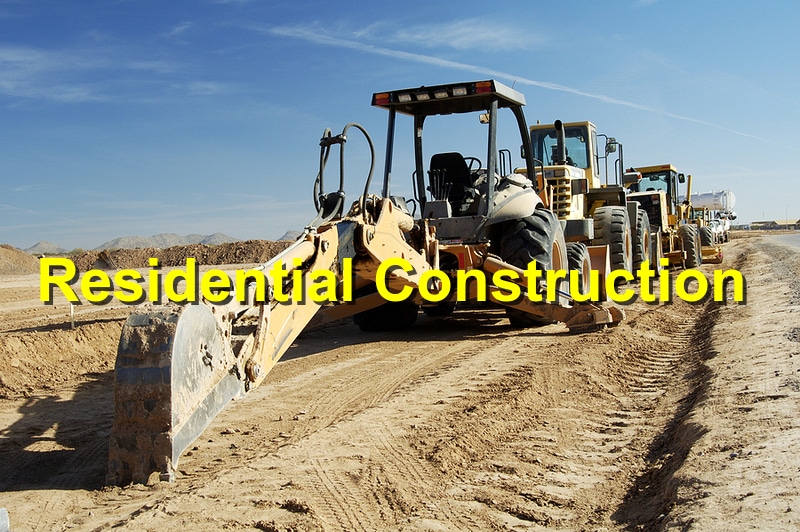
Finishing a residential construction project on time is one of the greatest challenges homeowners and builders face. Weather changes, contractor availability, supply delays, and scope modifications can quickly push timelines off track, increasing both costs and stress. Yet, with smart planning, transparent communication, and proactive management, projects can stay on schedule and progress smoothly from foundation to final finishes.
Whether you’re building a new family home or undertaking a major renovation, these strategies can help streamline the process and ensure timely completion.
1. Start with a detailed project plan
A clear schedule is the foundation of an on-time build. Before work begins, a well-structured plan should outline milestones, deadlines, dependencies, and material ordering timelines.
Creating a construction calendar gives everyone a shared roadmap and reduces confusion during later stages.
Tip: Include buffer time for weather delays and inspections.
2. Hire qualified, experienced contractors
The skill level and reliability of your construction team have a direct impact on timeliness. Experienced contractors know how to sequence tasks efficiently, manage subcontractors, and anticipate potential delays.
Request references, verify licensing, and review previous work before signing.
Tip: The cheapest contractor isn’t always the most cost-effective.
3. Lock in permits and approvals early
Construction cannot move forward without proper municipal approvals. Waiting on paperwork is one of the most common reasons schedules fall behind.
Submitting applications early — and ensuring documents are complete — prevents unexpected pauses later.
Tip: Ask your contractor to help navigate local building requirements.
4. Order materials ahead of schedule
Supply chain disruptions are a well-known challenge in construction. Ordering key materials early reduces downtime, ensures availability, and protects against price increases.
Critical-path items — windows, doors, framing lumber, and mechanical systems — should be confirmed well in advance.
Tip: Choose readily available materials if your timeline is tight.
5. Maintain consistent and open communication
Miscommunication leads to mistakes, rework, and lost time. Regular check-ins between homeowners, contractors, and subcontractors keep everyone aligned with goals and updates.
Weekly progress meetings help track milestones, address changes, and resolve issues before they escalate.
Tip: A shared digital platform or project management app improves clarity.
6. Avoid frequent design changes
Last-minute revisions are one of the biggest contributors to construction delays. Even simple changes can require reordering materials, rescheduling subcontractors, or revising permits.
Make as many decisions as possible before the build begins, and commit to them unless necessary.
Tip: Finalize finishes, layouts, and upgrades prior to breaking ground.
7. Monitor progress and address issues quickly
Tracking progress helps ensure that the project stays aligned with the original schedule. If delays occur, responding rapidly prevents further setbacks and keeps the project moving forward.
Site visits give homeowners visibility and confidence during construction phases.
Tip: Document milestones to maintain accountability.
Conclusion
Timely completion isn’t luck — it’s the result of planning, communication, and disciplined execution. With early material ordering, well-defined scheduling, qualified contractors, and quick problem-solving, residential construction can move forward efficiently and predictably. The more proactive the management, the smoother and faster the build.
By setting clear expectations and working collaboratively, homeowners can transform timelines from a worry into a well-managed process — leading to a stress-free construction experience and a finished home delivered on time.
References
- National Association of Home Builders — Residential construction planning resources
https://www.nahb.org - U.S. Department of Housing and Urban Development — Building guidance and timelines
https://www.hud.gov - The Balance — Home construction planning and project management insights
https://www.thebalancemoney.com