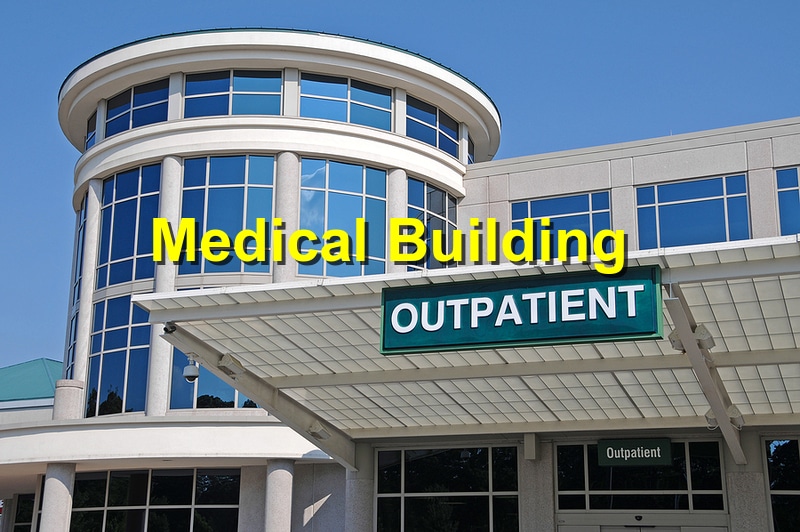
Designing a medical building is a complex task that requires balancing functionality, comfort, and compliance. In healthcare, every design decision directly impacts patient experience, staff performance, and overall efficiency. As medical practices evolve in 2025, facilities must not only meet current healthcare demands but also remain flexible for future innovations.
Whether you’re planning a new hospital, clinic, or specialty care center, thoughtful design can improve both operational flow and patient outcomes. Here are key tips for creating medical buildings that prioritize efficiency, accessibility, and lasting value.
1. Plan with Workflow in Mind
The foundation of an efficient medical facility begins with understanding how patients, staff, and materials move throughout the space. A well-organized layout reduces congestion, minimizes wait times, and supports staff productivity.
Best practices:
- Separate patient and staff circulation routes where possible.
- Place frequently used departments—such as reception, exam rooms, and restrooms—close to one another.
- Ensure emergency access routes are clear and direct.
Flow planning also means anticipating future needs. Designing adaptable spaces makes it easier to reconfigure departments as medical technologies and procedures evolve.
2. Prioritize Accessibility for All Users
Accessibility isn’t just about compliance—it’s about inclusivity and comfort. Medical buildings should accommodate patients of all ages and abilities, ensuring ease of access from the parking lot to the exam room.
Design considerations:
- Install ramps, automatic doors, and wide hallways for wheelchair access.
- Include clearly marked signage with large, legible fonts.
- Ensure exam tables, counters, and restrooms meet ADA standards.
- Provide ample seating with armrests in waiting areas for elderly patients.
Prioritizing accessibility fosters a welcoming environment that enhances the patient experience and supports equal care for everyone.
3. Optimize Space for Efficiency
Every square foot of a medical building should serve a purpose. Efficient use of space reduces construction and operating costs while improving workflow.
Space optimization tips:
- Incorporate modular designs that allow flexible use of rooms.
- Use centralized supply areas for easy access to materials.
- Plan for multipurpose spaces, such as shared meeting or consultation rooms.
Smart design ensures that the facility runs smoothly, even during peak hours, without unnecessary bottlenecks.
4. Focus on Infection Control and Safety
In healthcare design, safety is non-negotiable. Thoughtful planning can help prevent the spread of infection and protect both patients and staff.
Key design strategies:
- Use non-porous, easy-to-clean materials for flooring and surfaces.
- Separate clean and dirty zones to prevent cross-contamination.
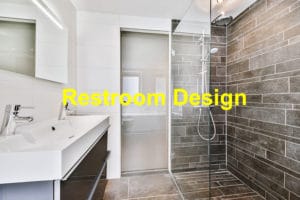
- Install touchless fixtures in restrooms and handwashing areas.
- Ensure proper ventilation and air filtration systems throughout the facility.
Designing with safety in mind enhances patient trust and helps meet strict healthcare regulations.
5. Integrate Technology Seamlessly
Technology plays a vital role in modern healthcare. From digital records to telemedicine, medical buildings must be equipped with the infrastructure to support advanced systems.
Tips for tech integration:
- Include sufficient wiring and network capacity for future upgrades.
- Design dedicated spaces for telehealth consultations.
- Implement smart systems for lighting, temperature, and energy control.
- Use digital displays for patient information and wayfinding.
When technology and design work together, the result is a more connected, efficient, and patient-friendly facility.
6. Create a Healing Environment
Medical buildings should be more than functional—they should promote healing and comfort. Studies show that a calming environment can reduce patient stress and support faster recovery.
Healing design elements:
- Use natural light and warm, soothing color palettes.
- Incorporate plants and artwork to create a welcoming atmosphere.
- Provide comfortable, private waiting and recovery areas.
- Reduce noise through acoustic design and soft materials.
A healing environment benefits not only patients but also staff, improving morale and retention.
7. Ensure Energy Efficiency and Sustainability
Sustainable design is both environmentally responsible and cost-effective. Energy-efficient systems and materials can significantly reduce operational expenses over time.
Sustainability tips:
- Install LED lighting and motion sensors.
- Use energy-efficient HVAC systems.
- Incorporate solar panels or green roofs where possible.
- Choose low-VOC paints and recycled materials.
Sustainability also aligns with many healthcare organizations’ values of promoting well-being—for both people and the planet.
8. Involve Stakeholders Early in the Design Process
The most successful medical buildings are those designed with input from everyone who will use them—administrators, doctors, nurses, maintenance staff, and even patients.
Why it matters:
- Early collaboration helps identify practical challenges.
- It ensures the design reflects the daily workflow of medical professionals.
- It promotes ownership and satisfaction among stakeholders.
By involving all voices early, you minimize costly design changes later and build a facility that truly meets the needs of its users.
Conclusion
Designing a medical building for efficiency and accessibility requires balancing practicality with empathy. Every element—from layout and lighting to materials and technology—should work together to support patient care, staff performance, and long-term adaptability.
As healthcare continues to evolve in 2025, medical facilities that emphasize smart design, sustainability, and inclusivity will stand out as leaders in patient-centered care. A well-designed building isn’t just a structure—it’s an investment in health, efficiency, and community well-being.
References: Tigernix